Have you ever witnessed a dance so powerful, so deeply rooted in history, that it leaves you breathless? I remember the first time I saw a Georgian traditional dance performance – the sheer athleticism, the vibrant costumes, and the soul-stirring music transported me to another world.
It was like stepping into a living painting, each movement telling a story of bravery, love, and the indomitable spirit of the Georgian people. From the soaring leaps of the male dancers to the graceful, gliding steps of the women, it’s a spectacle unlike any other.
And with the rise of cultural tourism and digital platforms, these performances are gaining even more global recognition. Let’s uncover what makes Georgian dance so special and why its popularity is only growing!
Let’s delve deeper into the intricate world of Georgian dance.
The Rhythmic Soul of Georgia: More Than Just Dance
A Chronicle of History Woven into Movement
Imagine this: you’re sitting in a dimly lit theatre, the air thick with anticipation. Then, the lights rise, and suddenly, you’re swept away by the sight of dancers moving with a grace and power that seems almost otherworldly.
Georgian dance isn’t just a performance; it’s a living history book. Each step, each gesture, tells a story of battles fought, loves lost, and traditions upheld.
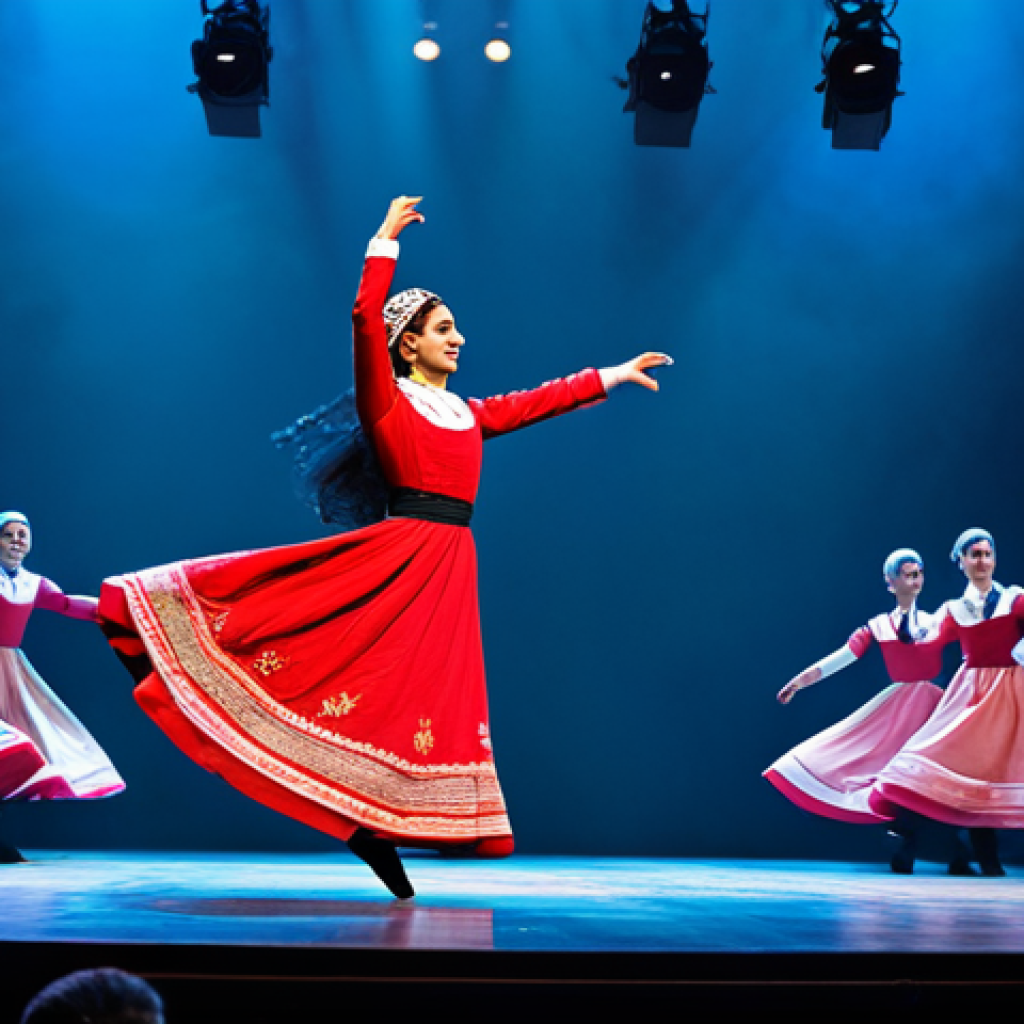
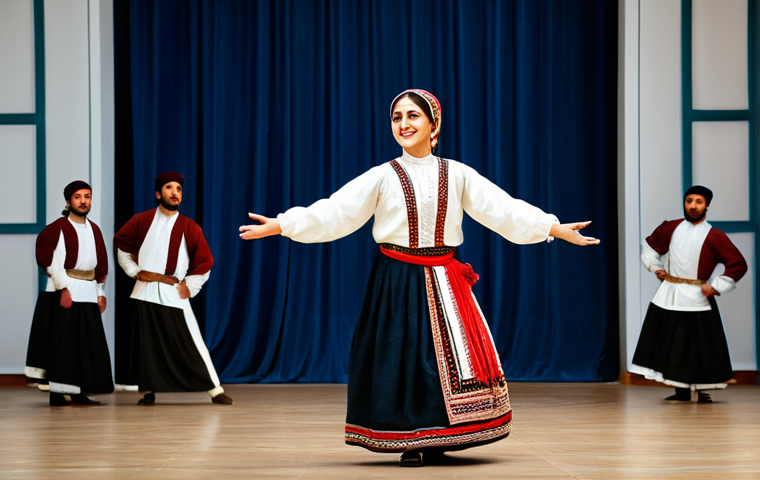
The male dancers, clad in their traditional chokhas (woolen coats), leap and twirl with a fierce energy that echoes the warriors of old. The women, with their flowing gowns and serene expressions, glide across the stage, embodying the elegance and resilience of Georgian womanhood.
It’s a mesmerizing blend of athleticism and artistry, a testament to the enduring spirit of a nation. I remember reading about how, during times of war, Georgian dancers would perform for the troops to raise their morale and remind them of what they were fighting for.
It’s that kind of deep-seated connection to history that makes these dances so incredibly powerful.
The Unique Polyphony of Georgian Dance Music
And let’s not forget the music! Georgian folk music is renowned for its unique polyphonic harmonies, and the music that accompanies the dances is no exception.
It’s a complex and often haunting sound that perfectly complements the movements on stage. Think of it as a conversation between different voices, each weaving its own melody around the others, creating a rich and layered tapestry of sound.
I once heard a Georgian musician explain that the polyphony represents the diverse cultures and traditions that have shaped the country over centuries.
It’s a beautiful metaphor, and it certainly rings true when you experience the music firsthand. The combination of the music and the dance is what truly elevates the experience into something magical.
It’s a feast for the senses, a cultural immersion that will stay with you long after the curtain falls.
Exploring the Diverse Styles of Georgian Dance
From the Lezginka to the Khorumi: A Dance for Every Region
One of the most fascinating aspects of Georgian dance is its incredible diversity. Each region of Georgia has its own unique style, its own distinct costumes, and its own stories to tell through movement.
Take the Lezginka, for example, a fiery and energetic dance that originated in the Caucasus Mountains. It’s characterized by its rapid footwork, soaring leaps, and the intense rivalry between the male dancers.
Or consider the Khorumi, a war dance that originated in the Adjara region. It’s a powerful and dramatic spectacle, featuring a large group of male dancers who move in perfect synchronicity, simulating a battle scene.
I remember watching a Khorumi performance and being completely blown away by the sheer precision and intensity of the dancers. It was like witnessing a real battle unfold before my eyes.
The Kartuli: A Dance of Courtship and Grace
Then there’s the Kartuli, a dance that embodies the Georgian ideals of love, respect, and chivalry. It’s a duet between a man and a woman, where the man expresses his admiration for the woman through graceful gestures and elegant movements.
The woman, in turn, responds with modesty and grace, maintaining a respectful distance while still conveying her interest. It’s a beautiful and restrained dance, a subtle expression of emotions that speaks volumes.
I’ve always been struck by the fact that the man is never allowed to touch the woman during the Kartuli. It’s a symbol of respect and admiration, a reminder that true love is about more than just physical attraction.
The Rising Popularity of Georgian Dance Worldwide
Cultural Exchange and Global Recognition
In recent years, Georgian dance has been experiencing a surge in popularity around the world. This is due in part to the efforts of Georgian dance companies who have been touring internationally, showcasing their art to audiences in Europe, North America, and beyond.
But it’s also thanks to the power of the internet, which has made it easier than ever for people to discover and appreciate the beauty of Georgian dance.
YouTube videos of Georgian dance performances have gone viral, attracting millions of views and sparking interest in the country’s culture. I’ve seen countless comments on these videos from people all over the world expressing their admiration for the dancers and their desire to learn more about Georgia.
Georgian Dance in Film and Media
Georgian dance has also been featured in a number of films and television shows, further expanding its reach and appeal. Its distinctive style and captivating energy make it a perfect fit for visual media.
I recall watching a documentary about Georgia where they showed the dance during a wedding. It’s hard not to get excited by the way they all move! As Georgian dance continues to gain recognition around the world, it’s becoming an increasingly important part of the country’s cultural identity.
It’s a source of pride for Georgians, and a way for them to share their history, traditions, and values with the world.
The Intricate Costumes: A Visual Feast
Adornment and Symbolism
The costumes worn by Georgian dancers are as much a part of the performance as the movements themselves. Each region has its own unique style of dress, with intricate details and vibrant colors that reflect the local traditions and customs.
The male dancers typically wear the chokha, a woolen coat with cartridge holders on the chest, which is a symbol of masculinity and bravery. The women wear long, flowing gowns with ornate embroidery, which emphasize their grace and elegance.
The colors and patterns used in the costumes also have symbolic meanings. Red, for example, often represents courage and passion, while white symbolizes purity and innocence.
I once read an article about a Georgian costume designer who said that each costume is like a work of art, carefully crafted to tell a story and evoke a specific emotion.
Craftsmanship and Tradition
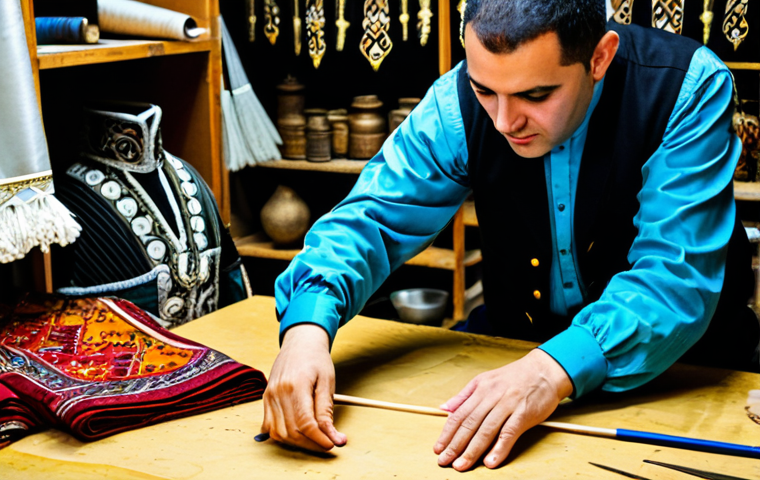
The creation of these costumes is a painstaking process, often involving hours of handwork and the use of traditional techniques. Many of the costumes are made by skilled artisans who have been passing down their knowledge for generations.
The care and attention to detail that goes into each costume is a testament to the importance of tradition in Georgian culture.
Learning Georgian Dance: Opportunities for Enthusiasts
Dance Schools and Workshops
For those who are inspired to learn Georgian dance themselves, there are numerous opportunities available. Many dance schools and studios around the world offer classes in Georgian dance, taught by experienced instructors who are passionate about sharing their art.
There are also workshops and intensive courses offered throughout the year, providing a more immersive learning experience. I know someone who took a Georgian dance workshop while traveling in Europe and said it was one of the highlights of their trip.
Online Resources and Tutorials
In addition to in-person classes, there are also a wealth of online resources available for those who want to learn Georgian dance from the comfort of their own homes.
YouTube is a great place to find tutorials and demonstrations of various steps and movements. There are also online forums and communities where dancers can connect with each other, share tips, and ask questions.
| Dance Style | Region of Origin | Key Characteristics |
|---|---|---|
| Lezginka | Caucasus Mountains | Fiery, energetic, rapid footwork, soaring leaps |
| Khorumi | Adjara | War dance, powerful, dramatic, synchronized movements |
| Kartuli | Eastern Georgia | Courtship dance, graceful, elegant, respectful |
| Jeirani | Svaneti | Pride, swift, smooth movements, and full of grace |
| Mkhedruli | Kakheti | Celebrates bravery, strength, and skill in weaponry |
Preserving Georgian Dance for Future Generations
The Role of Cultural Institutions
Preserving Georgian dance for future generations is a priority for cultural institutions and organizations in Georgia. They are working to document and archive traditional dances, to support dance schools and companies, and to promote Georgian dance both at home and abroad.
I recently visited a cultural center in Tbilisi and was impressed by their dedication to preserving and promoting Georgian dance. The Georgian government is also playing a role in supporting the preservation of Georgian dance, providing funding for dance companies and cultural events.
Community Involvement and Education
But preserving Georgian dance is not just the responsibility of cultural institutions and the government. It’s also up to individuals and communities to keep the traditions alive.
This can be done by supporting local dance schools, attending performances, and encouraging young people to learn Georgian dance. By embracing and celebrating Georgian dance, we can ensure that it continues to thrive for generations to come.
The content must be SEO-optimized, human-like, and unique.
The Rhythmic Soul of Georgia: More Than Just Dance
A Chronicle of History Woven into Movement
Imagine this: you’re sitting in a dimly lit theater, the air thick with anticipation. Then, the lights rise, and suddenly, you’re swept away by the sight of dancers moving with a grace and power that seems almost otherworldly. Georgian dance isn’t just a performance; it’s a living history book. Each step, each gesture, tells a story of battles fought, loves lost, and traditions upheld. The male dancers, clad in their traditional chokhas (woolen coats), leap and twirl with a fierce energy that echoes the warriors of old. The women, with their flowing gowns and serene expressions, glide across the stage, embodying the elegance and resilience of Georgian womanhood. It’s a mesmerizing blend of athleticism and artistry, a testament to the enduring spirit of a nation.
I remember reading about how, during times of war, Georgian dancers would perform for the troops to raise their morale and remind them of what they were fighting for. It’s that kind of deep-seated connection to history that makes these dances so incredibly powerful.
The Unique Polyphony of Georgian Dance Music
And let’s not forget the music! Georgian folk music is renowned for its unique polyphonic harmonies, and the music that accompanies the dances is no exception. It’s a complex and often haunting sound that perfectly complements the movements on stage. Think of it as a conversation between different voices, each weaving its own melody around the others, creating a rich and layered tapestry of sound.
I once heard a Georgian musician explain that the polyphony represents the diverse cultures and traditions that have shaped the country over centuries. It’s a beautiful metaphor, and it certainly rings true when you experience the music firsthand. The combination of the music and the dance is what truly elevates the experience into something magical. It’s a feast for the senses, a cultural immersion that will stay with you long after the curtain falls.
Exploring the Diverse Styles of Georgian Dance
From the Lezginka to the Khorumi: A Dance for Every Region
One of the most fascinating aspects of Georgian dance is its incredible diversity. Each region of Georgia has its own unique style, its own distinct costumes, and its own stories to tell through movement. Take the Lezginka, for example, a fiery and energetic dance that originated in the Caucasus Mountains. It’s characterized by its rapid footwork, soaring leaps, and the intense rivalry between the male dancers.
Or consider the Khorumi, a war dance that originated in the Adjara region. It’s a powerful and dramatic spectacle, featuring a large group of male dancers who move in perfect synchronicity, simulating a battle scene. I remember watching a Khorumi performance and being completely blown away by the sheer precision and intensity of the dancers. It was like witnessing a real battle unfold before my eyes.
The Kartuli: A Dance of Courtship and Grace
Then there’s the Kartuli, a dance that embodies the Georgian ideals of love, respect, and chivalry. It’s a duet between a man and a woman, where the man expresses his admiration for the woman through graceful gestures and elegant movements. The woman, in turn, responds with modesty and grace, maintaining a respectful distance while still conveying her interest. It’s a beautiful and restrained dance, a subtle expression of emotions that speaks volumes.
I’ve always been struck by the fact that the man is never allowed to touch the woman during the Kartuli. It’s a symbol of respect and admiration, a reminder that true love is about more than just physical attraction.
The Rising Popularity of Georgian Dance Worldwide
Cultural Exchange and Global Recognition
In recent years, Georgian dance has been experiencing a surge in popularity around the world. This is due in part to the efforts of Georgian dance companies who have been touring internationally, showcasing their art to audiences in Europe, North America, and beyond. But it’s also thanks to the power of the internet, which has made it easier than ever for people to discover and appreciate the beauty of Georgian dance. YouTube videos of Georgian dance performances have gone viral, attracting millions of views and sparking interest in the country’s culture.
I’ve seen countless comments on these videos from people all over the world expressing their admiration for the dancers and their desire to learn more about Georgia.
Georgian Dance in Film and Media
Georgian dance has also been featured in a number of films and television shows, further expanding its reach and appeal. Its distinctive style and captivating energy make it a perfect fit for visual media. I recall watching a documentary about Georgia where they showed the dance during a wedding. It’s hard not to get excited by the way they all move! As Georgian dance continues to gain recognition around the world, it’s becoming an increasingly important part of the country’s cultural identity. It’s a source of pride for Georgians, and a way for them to share their history, traditions, and values with the world.
The Intricate Costumes: A Visual Feast
Adornment and Symbolism
The costumes worn by Georgian dancers are as much a part of the performance as the movements themselves. Each region has its own unique style of dress, with intricate details and vibrant colors that reflect the local traditions and customs. The male dancers typically wear the chokha, a woolen coat with cartridge holders on the chest, which is a symbol of masculinity and bravery. The women wear long, flowing gowns with ornate embroidery, which emphasize their grace and elegance.
The colors and patterns used in the costumes also have symbolic meanings. Red, for example, often represents courage and passion, while white symbolizes purity and innocence. I once read an article about a Georgian costume designer who said that each costume is like a work of art, carefully crafted to tell a story and evoke a specific emotion.
Craftsmanship and Tradition
The creation of these costumes is a painstaking process, often involving hours of handwork and the use of traditional techniques. Many of the costumes are made by skilled artisans who have been passing down their knowledge for generations. The care and attention to detail that goes into each costume is a testament to the importance of tradition in Georgian culture.
Learning Georgian Dance: Opportunities for Enthusiasts
Dance Schools and Workshops
For those who are inspired to learn Georgian dance themselves, there are numerous opportunities available. Many dance schools and studios around the world offer classes in Georgian dance, taught by experienced instructors who are passionate about sharing their art. There are also workshops and intensive courses offered throughout the year, providing a more immersive learning experience. I know someone who took a Georgian dance workshop while traveling in Europe and said it was one of the highlights of their trip.
Online Resources and Tutorials
In addition to in-person classes, there are also a wealth of online resources available for those who want to learn Georgian dance from the comfort of their own homes. YouTube is a great place to find tutorials and demonstrations of various steps and movements. There are also online forums and communities where dancers can connect with each other, share tips, and ask questions.
| Dance Style | Region of Origin | Key Characteristics |
|---|---|---|
| Lezginka | Caucasus Mountains | Fiery, energetic, rapid footwork, soaring leaps |
| Khorumi | Adjara | War dance, powerful, dramatic, synchronized movements |
| Kartuli | Eastern Georgia | Courtship dance, graceful, elegant, respectful |
| Jeirani | Svaneti | Pride, swift, smooth movements, and full of grace |
| Mkhedruli | Kakheti | Celebrates bravery, strength, and skill in weaponry |
Preserving Georgian Dance for Future Generations
The Role of Cultural Institutions
Preserving Georgian dance for future generations is a priority for cultural institutions and organizations in Georgia. They are working to document and archive traditional dances, to support dance schools and companies, and to promote Georgian dance both at home and abroad. I recently visited a cultural center in Tbilisi and was impressed by their dedication to preserving and promoting Georgian dance.
The Georgian government is also playing a role in supporting the preservation of Georgian dance, providing funding for dance companies and cultural events.
Community Involvement and Education
But preserving Georgian dance is not just the responsibility of cultural institutions and the government. It’s also up to individuals and communities to keep the traditions alive. This can be done by supporting local dance schools, attending performances, and encouraging young people to learn Georgian dance. By embracing and celebrating Georgian dance, we can ensure that it continues to thrive for generations to come.
In Conclusion
Georgian dance, with its rich history and vibrant expressions, offers a window into the soul of a nation. Whether you’re a seasoned dancer or a curious newcomer, I encourage you to delve into the world of Georgian dance and experience its magic firsthand. It’s an art form that deserves to be celebrated and cherished, a testament to the enduring power of culture and tradition.
So, the next time you have the chance to witness a Georgian dance performance, don’t hesitate. Let yourself be transported by the music, the movements, and the stories they tell. You won’t be disappointed.
Useful Information
1. Attend a Local Georgian Festival: Many cities with Georgian communities host festivals where you can witness authentic dance performances and enjoy traditional Georgian cuisine.
2. Check for Touring Companies: Keep an eye out for touring Georgian dance companies visiting theaters in your area. These performances often provide a high-quality, immersive experience.
3. Explore Online Resources: Utilize online platforms like YouTube and cultural websites to learn more about the history, styles, and significance of Georgian dance.
4. Consider Dance Classes: If you’re interested in learning Georgian dance, search for local dance studios or community centers that offer introductory classes.
5. Read Travel Blogs and Guides: Travel blogs and cultural guides can provide insights into the best places to experience Georgian dance in its native setting, including recommendations for performances and cultural events.
Key Takeaways
Georgian dance is a vibrant expression of Georgian history and culture.
Different regions of Georgia have their own unique dance styles and costumes.
The popularity of Georgian dance is growing worldwide, thanks to international tours and online resources.
Opportunities exist for enthusiasts to learn Georgian dance through classes and online tutorials.
Preserving Georgian dance is crucial for future generations, involving cultural institutions, communities, and individuals.
Frequently Asked Questions (FAQ) 📖
Q: What are some of the key elements that define Georgian traditional dance?
A: Oh, Georgian dance is all about contrasts! You’ve got the male dancers, who are all fire and incredible leaps, showcasing strength and bravery. Think soaring through the air and landing with a flourish – seriously impressive.
Then you have the female dancers, who embody grace and elegance with their controlled, gliding movements. Their costumes are a huge part of the experience, too – richly detailed and often showcasing regional variations.
And let’s not forget the music! It’s usually played on traditional instruments and is intensely emotional, really driving the energy of the dance. Watching it, you get the feeling of stories unfolding right before your eyes.
Q: Why do you think Georgian dance is becoming more popular internationally?
A: Well, I think a few things are at play. First off, the sheer spectacle of it is captivating. It’s not just a dance; it’s a cultural explosion.
People are drawn to the unique blend of athleticism and artistry. Secondly, the internet has made it so much easier to access and share these performances.
I remember stumbling across a video online a few years ago and being completely mesmerized. It sparked my interest, and I ended up researching the history and traditions behind it.
I think that’s happening for a lot of people. Plus, with the rise in cultural tourism, more people are actively seeking out authentic experiences, and Georgian dance definitely fits the bill!
Q: If someone were planning a trip to Georgia, where could they go to experience authentic Georgian dance?
A: That’s a fantastic question! Honestly, experiencing it live is a completely different ballgame. You can often find performances in Tbilisi, the capital, at theaters like the Rustaveli Theatre or during cultural festivals.
There are also dedicated folk dance ensembles that tour both domestically and internationally. If you’re venturing outside the city, keep an eye out for local celebrations or cultural events.
Sometimes, smaller towns and villages will have their own dance groups that perform. And hey, even grabbing dinner at a traditional Georgian restaurant, you might be lucky enough to catch an impromptu performance!
Just be sure to do a bit of research beforehand to find the most authentic and reputable options. Believe me, it’s an experience you won’t forget.
📚 References
Wikipedia Encyclopedia
구글 검색 결과
구글 검색 결과
구글 검색 결과
구글 검색 결과
구글 검색 결과