You know, there’s something truly magical about wandering through a local market when you’re exploring a new place. It’s not just about shopping; it’s about soaking in the vibrant culture, smelling the spices, hearing the lively chatter, and really feeling the pulse of a city.
My first trip to Georgia completely transformed how I think about markets. I remember stepping into one of Tbilisi’s bustling bazaars, and it was like a sensory explosion – colors everywhere, the rich aroma of fresh produce mingling with warm bread, and the incredibly friendly vendors eager to share a taste or a story.
It wasn’t just a transaction; it was an experience, a real connection to the heart of Georgian life. If you’re anything like me, you’re always on the hunt for those authentic, off-the-beaten-path gems, places where you can find unique souvenirs, taste incredible local delicacies, and perhaps even stumble upon a forgotten antique.
Georgia, with its rich history and incredible culinary traditions, truly excels in this department. I’ve spent countless hours navigating these fascinating hubs, learning the art of a good haggle (mostly with a smile!), and discovering treasures I never knew I needed.
It’s an essential part of any Georgian adventure, a chance to see the country through the eyes of its people and bring a piece of that magic home with you.
This year, with travel booming again, these markets are more vibrant than ever, offering an even richer tapestry of local life. I’m excited to share my absolute favorite spots, covering everything from the freshest ingredients to exquisite crafts and unexpected finds that will make your trip unforgettable.
Let’s explore the best markets Georgia has to offer.
A Culinary Canvas: Savoring Georgia’s Edible Treasures
Tasting Georgia’s Bounty: From Khachapuri to Churchkhela
My taste buds still tingle remembering the first time I really dove into Georgian market food. It’s not just food; it’s a celebration of flavors, a journey through centuries of culinary tradition.
Imagine walking past mountains of fresh, vibrant fruits and vegetables, each one smelling sweeter than the last, knowing that these are the very ingredients that make Georgian cuisine so legendary.
Then there are the spices – oh, the spices! Heaps of red sumac, golden saffron, and fragrant blue fenugreek, all ready to transform any dish into something extraordinary.
I distinctly recall being handed a warm piece of *puri* (Georgian bread) straight from a *tone* (clay oven) at a small stall, still steaming and utterly delicious.
And let’s not forget the cheeses! From salty *sulguni* to creamy *imeruli*, there’s a cheese for every palate, often sold by cheerful grandmothers who are more than happy to offer you a sample.
It’s an immersive experience where every bite tells a story of the fertile Georgian land and the passionate hands that cultivate its bounty. Seriously, I could spend all day just sampling my way through the food sections, discovering new favorites and rediscovering classic tastes.
It’s pure joy for anyone who loves good food, and it’s always one of my first stops.
Engaging with Local Producers: The Stories Behind the Food
What really sets these markets apart, for me, is the opportunity to connect directly with the people who grow, make, and sell the food. These aren’t just vendors; they’re often the farmers themselves, or families who have been perfecting their recipes for generations.
I remember chatting with an elderly woman selling homemade *tkemali* (plum sauce), her eyes crinkling as she proudly told me about her secret ingredient – a specific type of wild plum picked from the mountains behind her village.
It’s these personal interactions that truly enrich the market experience. You learn about the seasonality of the produce, the traditional methods used to prepare delicacies like *churchkhela* (walnut or hazelnut strung on a thread and dipped in thickened grape juice), and even get tips on how to best enjoy your purchases.
This direct line to the source not only ensures you’re getting the freshest, most authentic products but also allows you to contribute directly to the livelihoods of local communities.
It feels good knowing that your tourist dollars are going straight into the hands of the people who make Georgia’s culinary scene so special. This kind of exchange is something you just can’t get from a supermarket, and it’s what makes market shopping in Georgia such a soulful adventure.
Artisanal Wonders: Crafting Memories and Unique Souvenirs
Unique Souvenirs: Beyond the Tourist Traps
I’m a firm believer that the best souvenirs aren’t mass-produced trinkets but items that carry a piece of the local soul. Georgian markets are an absolute treasure trove for these kinds of finds.
Forget predictable magnets; here, you’ll discover intricate cloisonné enamel jewelry, each piece a tiny work of art reflecting ancient Georgian techniques.
I once spent an hour at a stall, completely mesmerized by a craftsman meticulously shaping silver into delicate filigree earrings, and ended up buying a stunning necklace that always gets compliments back home.
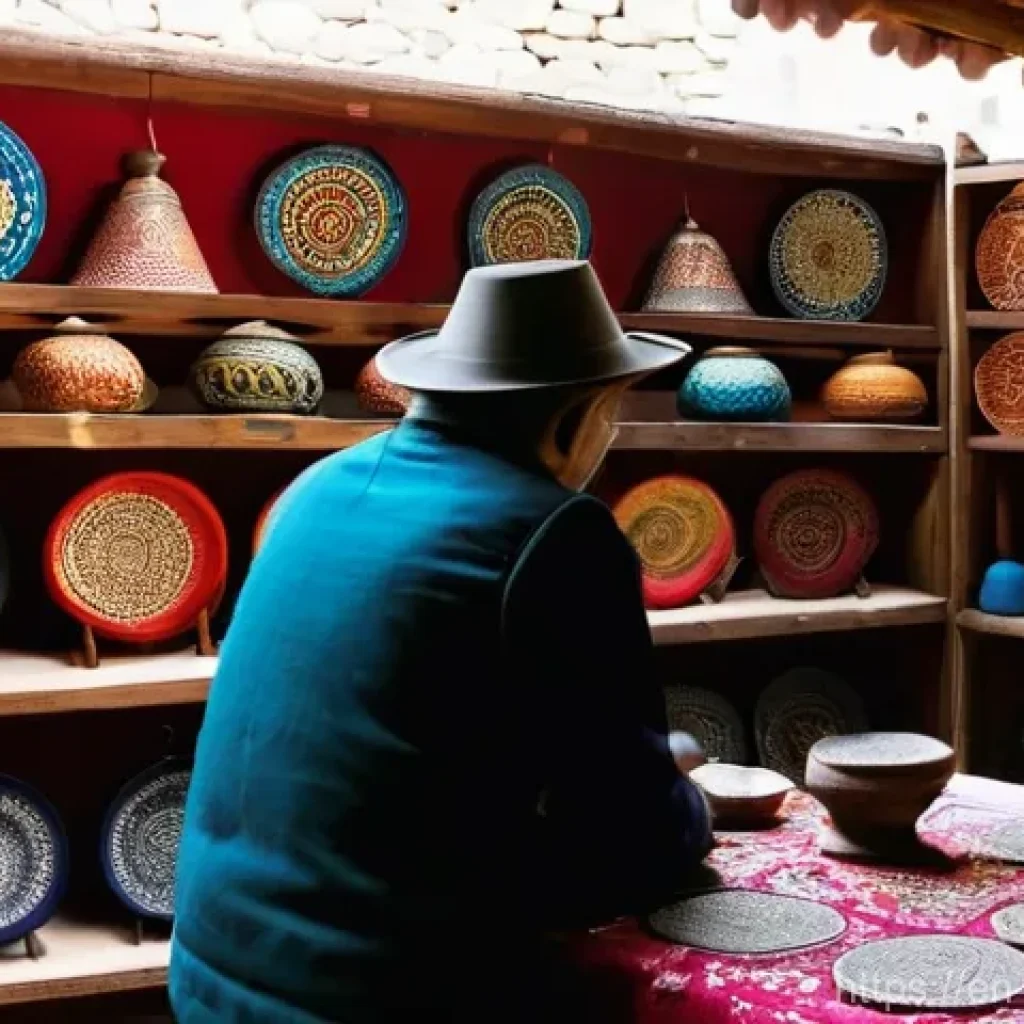
Then there are the hand-woven textiles, vibrant rugs, and traditional felt hats – *papakhi* – that are not just beautiful but also steeped in history and culture.
You can also find incredible pottery, often decorated with traditional motifs, perfect for bringing a touch of Georgian artistry into your home. It’s not just about what you buy, but the story behind it, the connection to the person who made it, and the piece of Georgia you carry with you.
Every time I look at that enamel necklace, I’m transported back to the bustling market, the sounds, the smells, and the friendly face of the artisan. These are the kinds of memories money really can buy.
Supporting Local Craftsmanship: Meeting the Makers
One of the most rewarding aspects of exploring Georgia’s craft markets is the chance to meet the artisans themselves. These talented individuals pour their hearts and souls into their work, often carrying on traditions passed down through generations.
I remember a small stall at the Dry Bridge Market where a woman was selling her hand-painted silk scarves. Each scarf depicted a different Georgian landscape or traditional scene, and she explained the symbolism behind the colors and patterns.
Buying from her wasn’t just acquiring a scarf; it was supporting her artistry and preserving a cultural heritage. This direct interaction allows you to appreciate the skill and dedication that goes into each piece, making your purchase feel incredibly meaningful.
It’s a powerful way to engage with the local culture beyond just sightseeing. Plus, when you buy directly from an artisan, you know your money is going straight to them, helping them continue their craft.
It’s an exchange that benefits everyone involved, creating a deeper, more authentic travel experience.
Stepping Back in Time: Vintage Finds and Antique Charms
The Thrill of the Hunt: Unearthing Forgotten Histories
If you’re anything like me, there’s a certain thrill that comes with sifting through forgotten treasures, imagining the stories they could tell. Georgian markets, particularly the famous Dry Bridge, are an absolute haven for antique lovers and curious collectors.
It’s like stepping into a giant, open-air museum where everything is for sale. You’ll find old Soviet-era cameras, vintage vinyl records with their original Georgian covers, intricate old silver jewelry that whispers of aristocratic pasts, and countless historical artifacts from badges to military medals.
I once stumbled upon a beautiful old copper pitcher, hand-etched with delicate designs, and spent ages wondering about its journey through time before it landed in my hands.
It’s not just about the item itself; it’s about the adventure of the discovery, the detective work involved in imagining its past life. You never quite know what you’re going to unearth, and that element of surprise is what keeps me coming back, digging through dusty boxes and admiring tarnished heirlooms.
It’s an archaeological dig of sorts, but one where you get to take the treasures home with you, each one a unique slice of history.
Bargaining for Keepsakes: A Gentle Art
Now, when it comes to antiques and vintage items, a little friendly negotiation is often part of the game. But don’t think of it as a cutthroat battle; in Georgia, it’s more of a playful dance.
I’ve found that approaching bargaining with a smile, genuine curiosity, and a respectful attitude goes a long way. Start by expressing sincere interest in the item, maybe ask about its history or craftsmanship.
Then, when it comes to the price, you can gently inquire if there’s any flexibility. I remember trying to haggle for a beautiful old *kilim* (flat-woven rug) with a vendor who, despite a slight language barrier, understood my appreciation for the piece.
We eventually settled on a price that felt fair to both of us, and the process itself became a memorable part of the purchase. It’s less about getting the absolute lowest price and more about the interaction, the shared moment of connection, and ultimately, both parties feeling good about the transaction.
So, don’t be shy, but always be kind. You’ll likely walk away with a unique item and a charming story to tell, making that antique even more special.
The Heartbeat of the City: Tbilisi’s Iconic Bazaars
Dezerter Bazaar: A Sensory Overload
When I first stepped into Dezerter Bazaar in Tbilisi, I honestly felt like I’d been dropped into another world. It’s an explosion of colors, sounds, and smells that hits you all at once, in the most wonderful way possible.
This place is the epitome of a bustling, authentic local market, named after the soldiers who sold their weapons here after the Georgian Civil War. Today, it’s a vibrant hub for fresh produce, spices, meats, cheeses, and literally everything else you could imagine.
You’ll see grandmothers selling their homegrown herbs, butchers expertly carving meat, and stalls overflowing with pickled goods and fragrant homemade jams.
The sheer energy is infectious! I love just wandering through, letting my senses guide me, and observing the daily rhythm of Georgian life unfold. It’s not polished or touristy, which is exactly what makes it so charming and real.
Be prepared for crowds, lively chatter, and an incredible array of goods. It’s where I always stock up on my favorite Georgian spices and the freshest fruit, knowing that I’m getting a true taste of local life.
Every visit feels like an adventure, and I always leave with a huge smile and a bag full of deliciousness.
Dry Bridge Market: An Open-Air Gallery
Shifting gears from the culinary chaos of Dezerter, the Dry Bridge Market offers a completely different, yet equally captivating, experience. This is *the* place in Tbilisi for antiques, art, and all sorts of curious treasures.
Stretching along the banks of the Mtkvari River, particularly vibrant on weekends, it’s an open-air gallery where history and creativity converge. I’ve spent countless hours here, sifting through vintage Soviet-era memorabilia, searching for unique paintings by local artists, and admiring handmade jewelry.
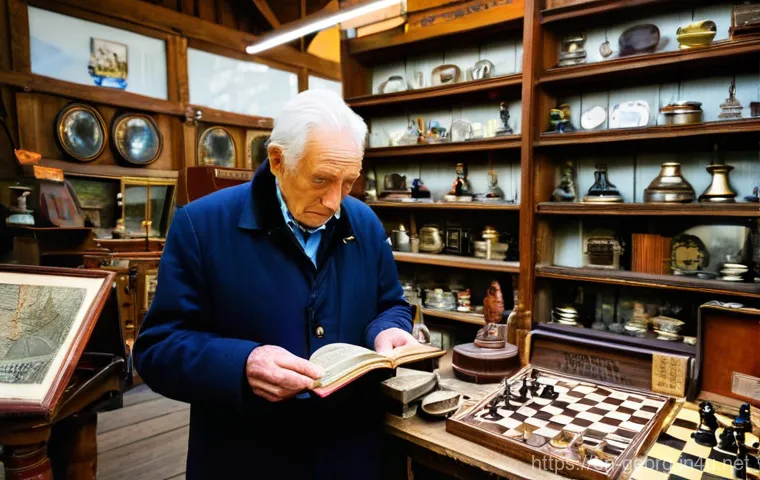
What I love most is the sheer variety and the stories each item seems to hold. You might find an ancient map of Georgia next to a beautifully carved wooden chess set, or a collection of old coins beside a vibrant abstract painting.
It’s a treasure hunter’s paradise, and the vendors are often quite eager to share the provenance of their goods, even if only through gestures and a few shared English words.
It’s a fantastic place to find truly unique souvenirs that carry a deeper meaning than anything you’d find in a typical gift shop. I always make sure to carve out a good chunk of time for the Dry Bridge; you never know what piece of history or art you might stumble upon and fall in love with.
| Market Name | Primary Focus | Best Time to Visit | Key Items to Look For |
|---|---|---|---|
| Dezerter Bazaar | Fresh produce, spices, meats, dairy, local foods | Mornings, especially weekdays (less crowded than weekends) | Sulguni cheese, Churchkhela, Tkemali sauce, fresh fruits, spices |
| Dry Bridge Market | Antiques, vintage items, local art, handmade crafts | Weekends (Saturday & Sunday) are most vibrant | Soviet memorabilia, paintings, jewelry, old books, ceramics |
| Flea Market at Station Square | Electronics, second-hand goods, various household items | Any day, but peak in the mornings | Practical items, tech gadgets (less for tourists) |
Navigating the Market Maze: My Top Tips for an Unforgettable Visit
Mastering the Art of Negotiation (with a Smile!)
Alright, let’s talk strategy! While not all Georgian markets are about intense haggling, for places like the Dry Bridge or some of the smaller, independent stalls, a little friendly negotiation can definitely be part of the fun.
My golden rule is always to approach it with a smile and a sense of humor. Never be aggressive or disrespectful; Georgians value warmth and hospitality, and a good-natured exchange often leads to a better outcome for everyone.
I usually start by expressing genuine admiration for an item and then, with a polite gesture or a soft question, ask if there’s a “final price” or if they can offer a “little discount.” Sometimes, simply buying multiple items from the same vendor will naturally lead to a better deal.
It’s less about getting the absolute lowest price and more about the cultural interaction and the mutual respect. Remember, these vendors are often trying to make a living, so a fair price that makes both of you happy is the goal.
I’ve found that even a few words in Georgian, like “gamarjoba” (hello) and “madloba” (thank you), can open doors and warm hearts, making the negotiation process even smoother and more enjoyable.
When to Go and What to Look For
Timing can really make a difference in your market experience. For the fresh produce markets like Dezerter Bazaar, I always recommend going in the morning.
That’s when everything is at its freshest, the stalls are fully stocked, and the energy is buzzing with locals doing their daily shopping. Weekdays are generally less crowded than weekends, offering a more relaxed browsing experience.
If you’re hunting for antiques and art at the Dry Bridge Market, Saturday and Sunday are absolutely essential. That’s when the largest number of vendors set up shop, and the market truly comes alive with a vast array of unique finds.
For food items, look for stalls that have a lot of local shoppers; that’s usually a sign of good quality and fair prices. Don’t be afraid to try samples when offered – it’s a great way to discover new favorites.
Also, keep an eye out for seasonal specialties. Georgia’s produce changes wonderfully with the seasons, from juicy watermelons in summer to pomegranates and persimmons in autumn.
Carrying a reusable bag is always a smart move, as is having some smaller denomination Georgian Lari (GEL) on hand, as many smaller vendors might not accept cards.
Beyond the Capital: Regional Market Gems Worth the Journey
Exploring Kutaisi’s Vibrant Offerings
While Tbilisi’s markets are undeniably captivating, venturing out to Georgia’s second-largest city, Kutaisi, offers a different, equally enchanting market experience.
The Kutaisi Green Bazaar is a true gem, often feeling a bit more traditional and less touched by heavy tourism than some of the capital’s spots. I remember wandering through its labyrinthine aisles, overwhelmed by the vibrant colors of spices, fresh herbs, and the distinctive aroma of local cheeses.
It’s a fantastic place to see the more rural side of Georgian trade, with farmers bringing their produce directly from the surrounding Imereti region.
You’ll find unique local varieties of honey, homemade *gozinaki* (a traditional Georgian candy made from caramelized nuts), and an abundance of fresh flowers.
What really struck me was the friendly, almost familial atmosphere; vendors seemed to know each other, exchanging jokes and stories, and were always eager to share a taste with a curious visitor like me.
It felt incredibly authentic and provided a wonderful glimpse into the daily life and culinary traditions of Western Georgia. If you have the time, a visit to Kutaisi and its Green Bazaar is an absolute must-do for any market enthusiast, offering a truly immersive cultural dive.
Batumi’s Coastal Charms and Fresh Catches
Down on Georgia’s Black Sea coast, Batumi offers its own distinct market vibe, heavily influenced by its maritime location and subtropical climate. The Batumi Fish Market, for instance, is an experience in itself.
I recall the lively scene early in the morning, with fishermen unloading their fresh catches – everything from Black Sea anchovies (hamsa) to various types of local fish.
What makes it unique is that you can often buy your fish directly from the vendors and then take it to one of the nearby small restaurants that will cook it for you on the spot, exactly how you like it, for a small fee.
Talk about fresh! Beyond the fish, Batumi’s central market also boasts an incredible array of tropical fruits and vegetables that thrive in the humid climate, alongside the usual Georgian staples.
You’ll find vibrant citrus fruits, local berries, and often, unique varieties that you might not see further inland. The atmosphere is generally more relaxed than Tbilisi’s bustling hubs, with a refreshing sea breeze often accompanying your shopping.
It’s a wonderful place to soak in the coastal culture, taste the freshest seafood, and pick up some sun-kissed produce, making for a truly memorable market adventure by the sea.
Making Every Purchase Count: A Taste of Sustainable Travel
Directly Supporting Local Economies
One of the things I love most about market hopping in Georgia isn’t just the incredible finds, but the powerful feeling of knowing my purchases are directly benefiting local communities.
Unlike big chain stores or online retailers, when you buy from a market vendor, especially a small independent one, your money goes straight into their hands, helping to support their families, sustain traditional crafts, and keep local economies thriving.
I always make a conscious effort to seek out artisans and farmers who are selling their own produce or handmade goods. There’s a certain satisfaction in knowing that the beautiful enamel pendant I bought is helping a local artist continue their craft, or that the delicious homemade jam is supporting a family farm.
It’s a tangible way to practice responsible tourism and ensure that the places we love to visit retain their unique character and charm. Every lari you spend at a local market is an investment in the culture, traditions, and people of Georgia, creating a positive impact far beyond your immediate purchase.
It’s a win-win situation where you get unique, authentic items, and the locals get direct support.
Carrying a Piece of Georgia Home
Ultimately, the souvenirs we bring home from our travels are more than just objects; they’re tangible memories, little anchors that connect us back to the places we’ve loved.
For me, the items I find in Georgia’s markets are imbued with so much more meaning than anything I could pick up in an airport gift shop. Whether it’s a jar of homemade *ajika* (spicy Georgian paste) that instantly transports me back to the bustling Dezerter Bazaar, a hand-painted ceramic bowl that reminds me of the vibrant art scene, or a vintage book that whispers tales of Tbilisi’s past, these market finds are truly special.
They aren’t just things; they’re experiences, stories, and connections wrapped up in a physical form. They allow me to share a piece of my Georgian adventure with friends and family, and every time I use them or look at them, I’m reminded of the incredible warmth, hospitality, and rich culture of this amazing country.
It’s about bringing home not just a souvenir, but a piece of the soul of Georgia, keeping the magic of my travels alive long after the trip has ended.
Concluding Thoughts
And there you have it, fellow travelers! My heart genuinely swells when I think back on all the incredible moments I’ve had wandering through Georgia’s markets. It’s truly more than just a place to buy things; it’s where the country’s soul comes alive, where history whispers from every antique, and where the most incredible flavors burst forth from every stall. Each market visit is a little adventure, a chance to connect with the incredibly warm and generous Georgian people, and to feel the vibrant pulse of their culture. If you take one piece of advice from me, it’s this: don’t just visit Georgia, immerse yourself in its markets. Let your senses guide you, embrace the unexpected, and I promise you’ll leave with not just souvenirs, but a treasure trove of unforgettable memories and a deeper appreciation for this magnificent land.
Useful Information to Know
1. Cash is King: While larger shops might accept cards, many market vendors, especially at the smaller stalls, operate on a cash-only basis. Having Georgian Lari (GEL) in smaller denominations will make your transactions smoother and quicker, preventing any awkward scrambles for change. It’s always a good idea to have enough cash on hand for your intended purchases.
2. Timing is Everything: For the freshest produce and vibrant local energy, aim to visit food markets like Dezerter Bazaar in the mornings, preferably on a weekday to avoid the biggest crowds. If you’re an antique hunter, the Dry Bridge Market truly shines on Saturdays and Sundays when all the vendors are out, showcasing their widest array of historical treasures and unique artwork.
3. Embrace the Haggle (with Grace!): In some markets, particularly the Dry Bridge or for crafts, friendly negotiation is part of the experience. Approach it with a genuine smile, respect, and a good sense of humor. Don’t push too hard; remember, these are often small business owners. Aim for a price that feels fair to both you and the vendor, and you’ll likely have a more enjoyable interaction and a story to tell!
4. Learn a Few Phrases: While many Georgians in tourist areas understand some English, a few words in Georgian can go a long way. Simple greetings like “Gamarjoba” (Hello) and “Madloba” (Thank you) can open doors, warm hearts, and sometimes even lead to a better deal or a more personal connection with the vendors, making your visit even more memorable.
5. Come Prepared: Wear comfortable shoes, as you’ll be doing a lot of walking and exploring! Bring a reusable bag (or two!) for all your wonderful finds, and make sure your phone is charged for those amazing photo opportunities. Most importantly, bring an open mind and a sense of adventure; the true magic of Georgian markets lies in their delightful unpredictability.
Key Takeaways
Ultimately, my journey through Georgia’s markets has taught me that they are far more than just places to shop; they are living, breathing museums of culture, history, and incredible human connection. Each visit offers a unique opportunity to directly support local artisans and farmers, ensuring that Georgia’s rich traditions continue to thrive. By seeking out authentic interactions and embracing the vibrant energy, you’re not just buying a souvenir; you’re carrying home a piece of Georgia’s soul, infused with the stories and warmth of its people. So, go forth, explore, and let the unparalleled charm of these markets become one of the most cherished chapters in your Georgian adventure.
Frequently Asked Questions (FAQ) 📖
Q: What unique souvenirs and delicious treats should I absolutely look for when I’m exploring Georgian markets?
A: Oh, where do I even begin? This is one of my favorite parts about Georgian markets! If you’re anything like me, you’ll want to bring home a piece of that magic, and the markets are brimming with unique treasures.
First off, for foodies, you absolutely must try Churchkhela, those vibrant “Georgian Snickers” – walnuts threaded on a string and dipped in thickened grape juice.
They’re everywhere, and each vendor often has their own special recipe. Then there’s Tkemali, a sour plum sauce that will revolutionize your palate, and various types of local honey, often from specific regions with distinct floral notes.
For souvenirs, I’ve personally found incredible handcrafted enamel jewelry, intricate felt crafts, and stunning hand-painted ceramics that tell stories of Georgian folklore.
And don’t even get me started on the spices! The aroma alone will transport you. Trust me, you’ll want to grab some Svanetian salt and Khmeli Suneli to bring that Georgian flavor back to your kitchen.
My advice? Keep an eye out for small, independent artisans; their stalls are usually tucked away and hold the most authentic, unique finds.
Q: I’m a bit shy about haggling. How should I approach bargaining or interacting with vendors in Georgian markets to get a good deal and have a pleasant experience?
A: I totally get it – haggling can feel a bit intimidating if you’re not used to it, but in Georgia, it’s often part of the fun and a sign of respect, especially in the more traditional bazaars!
My golden rule is always to approach it with a smile and a friendly demeanor. Start by asking for the price, and if you feel it’s a bit high, you can politely offer a slightly lower amount.
It’s more of a gentle negotiation than a fierce battle. I’ve found that even if you don’t get a huge discount, the interaction itself can be incredibly rewarding.
Georgian vendors are generally very warm and hospitable, and they appreciate a genuine connection. I remember once trying to buy a beautiful scarf, and while the vendor wouldn’t budge much on the price, she ended up sharing tea with me and telling me stories about her family’s weaving traditions.
It transformed a simple transaction into a memorable cultural exchange. Don’t be afraid to engage, ask questions about their craft or produce, and show genuine interest.
Even a few words in Georgian, like “Gamarjoba” (hello) or “Madloba” (thank you), can go a long way in building rapport.
Q: What are some essential tips for first-time visitors to Georgian markets to ensure they have the best possible experience and discover hidden gems?
A: For first-timers, my biggest piece of advice is to dive in with an open mind and a sense of adventure! Firstly, cash is king. While some larger stalls might accept cards, especially in more tourist-centric areas, many smaller vendors operate purely on cash (Georgian Lari, or GEL).
So, make sure you have plenty of small denominations on hand. Secondly, go early! The freshest produce and the most unique crafts are often snapped up first thing in the morning, and it’s a wonderful time to experience the market waking up.
Thirdly, and this is crucial for discovering those hidden gems, don’t be afraid to wander off the main aisles. Some of the most interesting finds I’ve made – from antique jewelry to forgotten textiles – were tucked away in less obvious corners.
Fourth, engage with your senses. Don’t just look; smell the spices, taste the samples (always ask politely first!), and listen to the lively chatter. It’s not just about what you buy; it’s about the whole immersive experience.
Finally, be respectful and patient. The markets can be bustling, so take your time, enjoy the atmosphere, and let the magic of Georgia unfold around you.
You might just stumble upon something truly unforgettable!