As conversations around cultural preservation and identity gain momentum worldwide, Georgia stands out with its rich tapestry of ethnic diversity and time-honored traditions.
Exploring this vibrant nation offers a unique glimpse into how history, language, and customs intertwine to shape a distinct cultural identity. Whether you’re a traveler, history buff, or simply curious about global cultures, understanding Georgia’s heritage reveals stories that resonate far beyond its borders.
Join me as we uncover the heart of Georgia, where ancient traditions meet the modern world in a captivating blend. This journey promises insights that deepen appreciation for a culture often overlooked but truly unforgettable.
The Mosaic of Georgia’s Ethnic Communities
Understanding the Diverse Roots
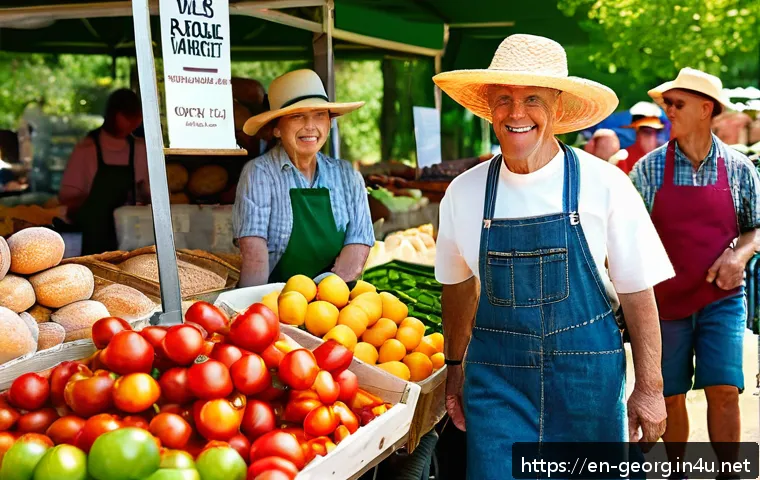
Georgia is a fascinating patchwork of ethnic groups, each contributing its own unique thread to the national fabric. While ethnic Georgians make up the majority, the country is home to a variety of minorities such as the Azeris, Armenians, Ossetians, and Abkhazians, among others.
These groups have coexisted for centuries, often maintaining their distinct languages, religions, and customs. What’s striking is how these communities have managed to preserve their identities despite historical upheavals, migrations, and shifting political landscapes.
From the mountainous Svan people to the coastal Laz, each ethnic group adds depth and vibrancy to Georgia’s cultural scene, creating an intricate mosaic that is both complex and captivating.
Language as a Cultural Anchor
Language plays a crucial role in Georgia’s ethnic diversity. The Georgian language itself, with its unique script and ancient roots, is a source of national pride and unity.
However, many ethnic minorities continue to speak their native tongues daily, using language not just as communication but as a vessel for passing down traditions, folklore, and history.
For example, the Mingrelian and Svan languages, though not officially recognized, are actively spoken in their regions and kept alive through oral storytelling.
This linguistic diversity enriches the cultural landscape, offering visitors and locals alike a chance to experience a variety of worldviews embedded in different dialects and expressions.
Religious Traditions and Their Influence
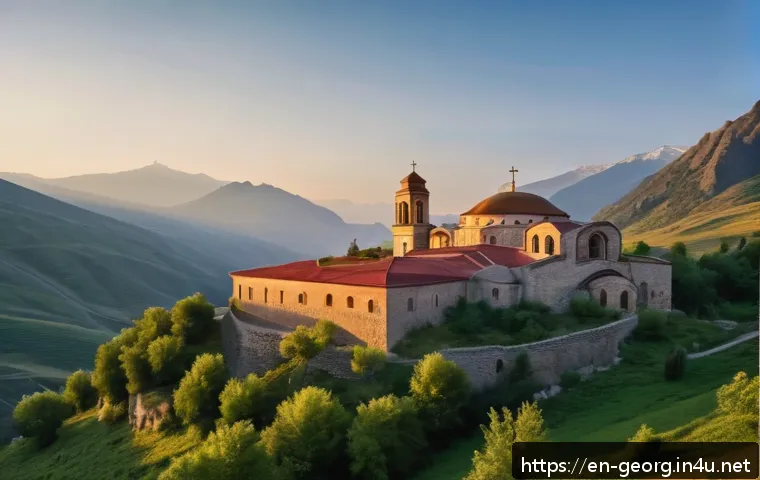
Religion deeply intertwines with ethnic identity in Georgia. The Georgian Orthodox Church is a dominant spiritual force, influencing national customs and festivals, but other faiths thrive alongside it.
Muslim Azeris and Sunni and Shia communities, Armenian Apostolic Christians, and even small Jewish populations contribute to a religiously pluralistic society.
This coexistence has shaped not only religious practices but also social customs, cuisine, and art. For example, traditional celebrations like Easter and Ramadan highlight the country’s multi-faith character, with communities often participating in each other’s festivities.
This interfaith dynamic fosters a sense of shared respect and cultural exchange that’s palpable when visiting local villages or attending regional events.
Traditional Crafts and Artistic Heritage
Handicrafts as a Living Tradition
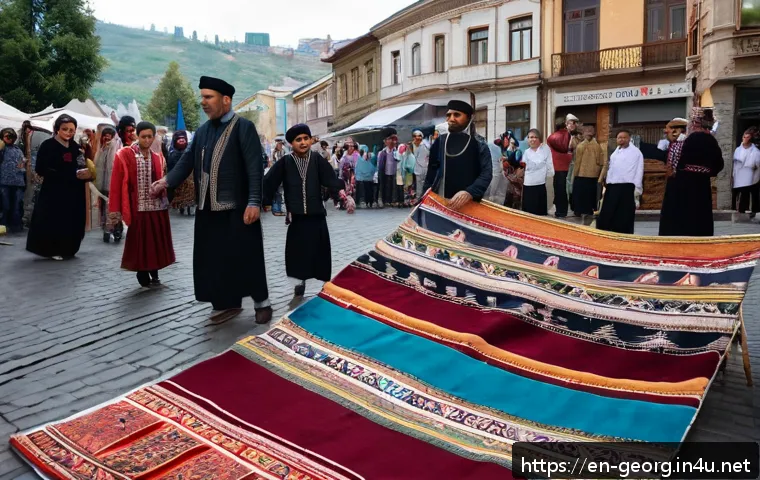
One of the most enchanting ways to grasp Georgia’s cultural identity is through its traditional crafts. From intricate wood carving and pottery to delicate embroidery and carpet weaving, these crafts are more than just art; they are living traditions passed down through generations.
In rural areas, families still make use of age-old techniques, often blending symbolism and storytelling into their designs. For instance, the vibrant patterns in Georgian carpets are not merely decorative but also hold meanings related to protection, fertility, and history.
Visiting local workshops or markets reveals a deep respect for craftsmanship, where artisans take pride in preserving their heritage while sometimes innovating to meet modern tastes.
Music and Dance: The Soul of Georgia
Georgia’s music and dance traditions are among the most distinctive in the Caucasus region. Polyphonic singing, recognized by UNESCO, is a profound expression of community and emotion.
This multi-voiced harmony, often performed without instrumental accompaniment, conveys stories of love, labor, and nature. Similarly, traditional dances like the Kartuli or Khevsuruli combine grace with a warrior’s spirit, reflecting both social values and historical narratives.
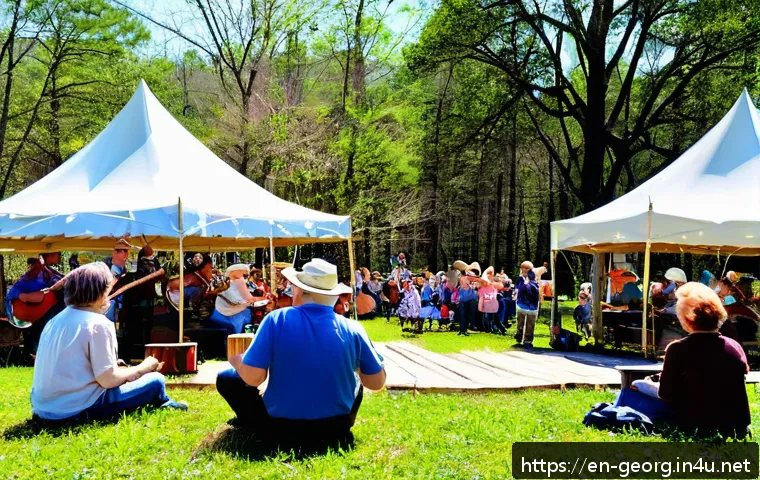
Experiencing these performances firsthand, whether at a local festival or a family gathering, reveals a culture that honors its past while inviting everyone to join in its joyful, sometimes solemn, celebrations.
The Role of Festivals in Cultural Continuity
Festivals in Georgia serve as vibrant showcases of ethnic traditions and communal identity. Events such as Tbilisoba celebrate the capital’s diverse heritage with food, music, and dance from across the country.
Meanwhile, regional festivals like Rtveli, the grape harvest celebration, highlight agricultural customs and bring communities together in joyous collaboration.
These gatherings are not just entertainment but vital moments where stories are told, recipes shared, and identities reaffirmed. Participating in a Georgian festival offers a glimpse into how culture is actively lived and renewed, bridging generations and ethnic divides with warmth and pride.
Georgian Cuisine: A Flavorful Expression of Identity
The Diversity of Regional Flavors
Georgia’s culinary scene is a mouthwatering reflection of its ethnic and geographic diversity. Each region boasts distinctive dishes shaped by local ingredients and cultural influences.
For example, in the mountainous areas, hearty meals featuring walnuts, herbs, and dairy products dominate, while the Black Sea coast offers fresh fish and subtle spice blends.
Traditional staples like khachapuri (cheese-filled bread) and khinkali (dumplings) vary in style from one region to another, showcasing unique twists on beloved recipes.
Sampling these dishes feels like tasting the history and lifestyle of the people who created them, making Georgian cuisine an essential part of understanding the nation’s identity.
Food as a Social and Cultural Ritual
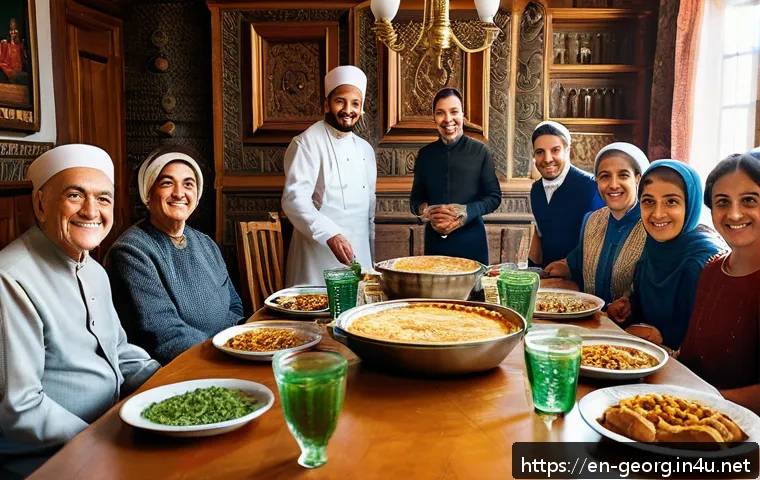
Beyond the flavors, Georgian food culture is deeply social and ritualistic. The supra, or traditional feast, is a cornerstone of hospitality and community bonding.
Led by a toastmaster called a tamada, these gatherings blend storytelling, music, and heartfelt toasts, creating an atmosphere where relationships are strengthened and traditions passed on.
I’ve personally found that joining a supra is one of the most memorable ways to experience Georgian culture—there’s a genuine warmth and generosity that transcends language barriers.
The food, the company, and the customs all come together to form a living heritage that’s as much about connection as it is about taste.
How Cuisine Reflects Historical Interactions
Georgia’s position at the crossroads of Europe and Asia has infused its cuisine with a rich tapestry of influences. Persian, Turkish, Russian, and Mediterranean flavors meld seamlessly with indigenous techniques and ingredients.
This culinary fusion tells stories of trade, conquest, and coexistence that have shaped the region for millennia. For instance, the use of pomegranate seeds and spices like saffron reveals ancient Persian ties, while the emphasis on bread and dairy reflects local pastoral traditions.
Understanding these influences adds layers of appreciation when savoring Georgian dishes, reminding us that food is a living archive of history and identity.
The Impact of Geography on Cultural Practices
Mountains as Guardians of Tradition
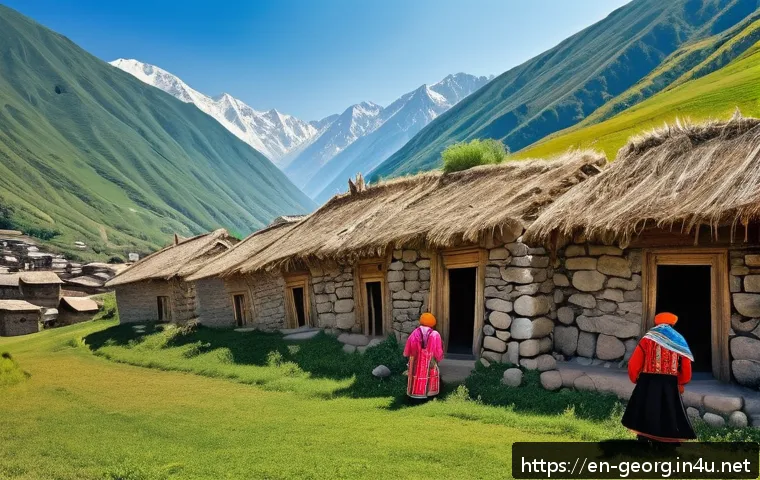
Georgia’s rugged landscapes have played a critical role in preserving its cultural diversity. The towering Caucasus Mountains create natural barriers that have allowed isolated communities to maintain distinct languages, customs, and ways of life.
For example, the Svans and Khevsurs, living in remote mountain valleys, have retained unique folk traditions, clothing styles, and architectural forms that differ significantly from those in the lowlands.
This geographic isolation has fostered a strong sense of identity and resilience, making these regions treasure troves of ancient customs that have survived the tides of modernization.
Rivers and Fertile Valleys as Cultural Crossroads
Conversely, Georgia’s fertile river valleys and trade routes have acted as cultural crossroads, encouraging exchange and blending. Cities like Tbilisi and Kutaisi, located along important routes, have historically attracted merchants, travelers, and settlers from diverse backgrounds.
This has led to a cosmopolitan atmosphere where different ethnic groups interact, marry, and share customs. The result is a dynamic cultural milieu where traditional Georgian elements coexist with influences from neighboring peoples, creating a rich and evolving cultural identity that reflects both continuity and change.
Climate’s Role in Shaping Lifestyle and Traditions
Georgia’s varied climate zones—from subtropical along the coast to alpine in the mountains—have also influenced cultural practices. Agricultural cycles, clothing, and even festive calendars adapt to these environmental conditions.
For instance, regions with harsh winters have developed unique winter rituals and hearty food traditions to cope with the cold, while the warmer areas celebrate harvest festivals that coincide with the growing seasons.
This intimate relationship between nature and culture is evident in everyday life, reinforcing a worldview that respects and responds to the land’s rhythms.
Preserving Heritage Amid Modern Challenges
Balancing Tradition and Modernity
In today’s rapidly changing world, Georgia faces the challenge of preserving its rich cultural heritage while embracing modernization. Urbanization and globalization bring both opportunities and threats—while younger generations gain access to education and technology, there’s also a risk of losing touch with traditional ways.
I’ve noticed that many Georgians actively seek to balance these forces by revitalizing folk arts, promoting local languages in schools, and supporting cultural festivals.
This conscious effort to keep traditions alive, even in a contemporary context, speaks to a deep-rooted pride and recognition of heritage as a foundation for identity.
The Role of Government and NGOs in Cultural Conservation
Various organizations, including government bodies and NGOs, play a significant role in safeguarding Georgia’s cultural legacy. Initiatives range from documenting endangered languages to restoring historic sites and funding traditional craft workshops.
These programs often involve local communities directly, ensuring that preservation efforts are not top-down but collaborative. From my conversations with cultural activists, it’s clear that such support is crucial for sustainable heritage conservation, helping to pass traditions to future generations while adapting them to modern realities.
Tourism as a Double-Edged Sword
Tourism has become a vital part of Georgia’s economy and cultural exposure, yet it brings a complex dynamic. On one hand, it incentivizes the preservation and promotion of cultural sites and practices, allowing local artisans and performers to gain recognition and income.
On the other hand, unchecked tourism can lead to commercialization and loss of authenticity. Finding a balance is key, and many communities are experimenting with eco-tourism and cultural tourism models that emphasize respect and meaningful engagement.
From my experience traveling in Georgia, those places that prioritize genuine cultural exchange offer the richest, most rewarding visits.
| Aspect | Ethnic Group | Language | Religious Affiliation | Region |
|---|---|---|---|---|
| Majority Population | Georgians | Georgian | Georgian Orthodox | Throughout Georgia |
| Largest Minority | Azeris | Azerbaijani | Muslim (Sunni and Shia) | South-Eastern Georgia |
| Mountain Communities | Svan | Svan | Georgian Orthodox | North-Western Caucasus Mountains |
| Coastal Minority | Laz | Laz | Muslim and Christian | Black Sea Coast |
| Armenian Community | Armenians | Armenian | Armenian Apostolic | Southern Georgia |
The Role of Family and Community in Cultural Transmission
Intergenerational Bonds and Storytelling
Family is the cornerstone of cultural preservation in Georgia. Oral storytelling, songs, and shared rituals within households pass down values and histories from one generation to the next.
I’ve witnessed elders recount tales of heroism and everyday life with such passion that it felt like history was alive in the room. These personal narratives not only entertain but also instill a strong sense of belonging and identity in younger family members, ensuring that traditions are not just remembered but felt deeply.
Community Gatherings as Cultural Anchors
Beyond the family, community events such as weddings, religious ceremonies, and seasonal festivals reinforce cultural ties. These gatherings serve as opportunities to celebrate shared heritage, resolve conflicts, and teach customs through participation.
For example, wedding ceremonies in Georgia are elaborate affairs filled with symbolic rituals that vary by region but universally emphasize unity and continuity.
Being part of these events offers an immersive experience in how culture is lived and renewed collectively.
The Influence of Modern Media and Technology
Modern technology is reshaping how Georgians engage with their culture. Social media platforms and online forums allow diaspora communities to stay connected and share cultural content, while local initiatives use digital storytelling to preserve endangered languages and traditions.
This digital shift has its challenges, but it also presents exciting possibilities for cultural education and outreach. From my perspective, combining traditional methods with modern tools creates a powerful synergy that can safeguard Georgia’s rich heritage well into the future.
Education and Language Preservation Efforts
Integrating Multilingual Education
Georgia’s education system increasingly recognizes the importance of multilingualism in preserving ethnic identities. Schools in minority regions often offer instruction in native languages alongside Georgian, helping students maintain their cultural roots while gaining access to broader opportunities.
This bilingual approach fosters mutual respect and understanding among diverse groups. In conversations with educators, it’s clear that such programs are vital for nurturing pride and preventing language erosion, which is crucial for cultural survival.
Community-Led Language Revitalization
Grassroots efforts by communities themselves play a pivotal role in language preservation. Local activists organize language classes, cultural workshops, and festivals that highlight minority languages and traditions.
These initiatives empower communities to take ownership of their heritage and create spaces where their languages are spoken and celebrated daily. Witnessing these passionate endeavors firsthand revealed to me how much cultural vitality depends on active participation and pride rather than passive preservation.
Challenges and Opportunities Ahead
Despite progress, challenges remain, such as limited resources, political tensions, and migration pressures that threaten cultural continuity. However, opportunities exist in increased international cooperation, cultural tourism, and digital innovation.
Georgia’s commitment to embracing its multiethnic identity while fostering national unity offers a hopeful model for cultural preservation in a globalized world.
Personally, I find this balancing act inspiring, as it shows how culture can be both a bridge and a beacon for future generations.
Concluding Thoughts
Georgia’s rich tapestry of ethnic communities reveals a nation where diversity is not just a fact but a cherished way of life. The interplay of language, religion, traditions, and geography creates a vibrant cultural mosaic that continues to thrive despite modern challenges. Embracing this heritage offers invaluable insights into the resilience and warmth of Georgian society.
Useful Information to Remember
1. Georgia’s ethnic diversity includes groups like Azeris, Armenians, Svans, and Laz, each preserving unique languages and customs.
2. Traditional crafts and polyphonic music are vital expressions of cultural identity, passed down through generations.
3. The supra feast exemplifies Georgian hospitality, blending food, storytelling, and community bonding.
4. Geographic features such as mountains and river valleys have shaped distinct cultural practices and social interactions.
5. Modern efforts in education, technology, and tourism are key to balancing cultural preservation with contemporary life.
Key Takeaways
Understanding Georgia’s culture means recognizing the delicate balance between preserving ancient traditions and embracing modernization. The active role of families, communities, and institutions ensures that languages, crafts, and customs remain vibrant. Moreover, the interaction between geography and history has fostered a unique cultural resilience that continues to define Georgia today. Appreciating these dynamics enriches any visit or study of this fascinating nation.
Frequently Asked Questions (FAQ) 📖
Q: What makes Georgia’s cultural heritage unique compared to other countries?
A: Georgia’s cultural heritage stands out due to its deep historical roots that date back thousands of years, combined with a remarkable ethnic diversity and a language with its own unique alphabet.
Unlike many nations, Georgia has maintained its traditional customs, music, dance, and cuisine, all tightly woven into everyday life. This blend of ancient traditions and modern influences creates a cultural identity that feels both timeless and alive.
When visiting, you’ll notice how these elements aren’t just preserved in museums but are actively celebrated in festivals, family gatherings, and community rituals, offering an authentic experience that’s rare to find elsewhere.
Q: How does Georgia’s ethnic diversity influence its cultural traditions?
A: Georgia’s ethnic diversity is a vibrant mosaic that enriches its cultural traditions in countless ways. Different ethnic groups, including Georgians, Armenians, Azerbaijanis, and others, contribute unique customs, languages, and culinary styles.
This diversity means that festivals, religious celebrations, and folklore vary widely from region to region, creating a dynamic cultural landscape. For example, the traditional polyphonic singing, which UNESCO recognizes, reflects this blend of influences.
Personally, exploring local villages, I’ve seen how these traditions coexist harmoniously, providing a richer, more layered understanding of Georgian identity beyond a single narrative.
Q: What should travelers know about experiencing Georgia’s culture respectfully?
A: Experiencing Georgia’s culture respectfully involves embracing openness and genuine curiosity while honoring local customs. Hospitality is a cornerstone of Georgian society, so accepting invitations to share meals or attend celebrations is encouraged, but it’s important to be mindful of traditions—like toasting rituals during supra (traditional feasts) or dress codes in religious sites.
Learning a few basic Georgian phrases or understanding the significance of certain practices can go a long way in showing respect. From my experience, locals appreciate when visitors take the time to understand the cultural context, which often leads to more meaningful and heartfelt interactions.