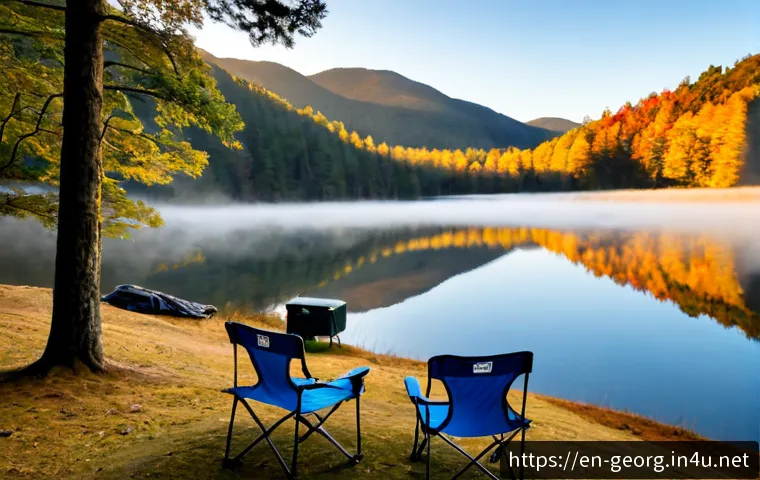
For mountain views and hiking, choose North Georgia and the Blue Ridge area; for simple family camping, start with a Georgia State Park or a lakeside campground.
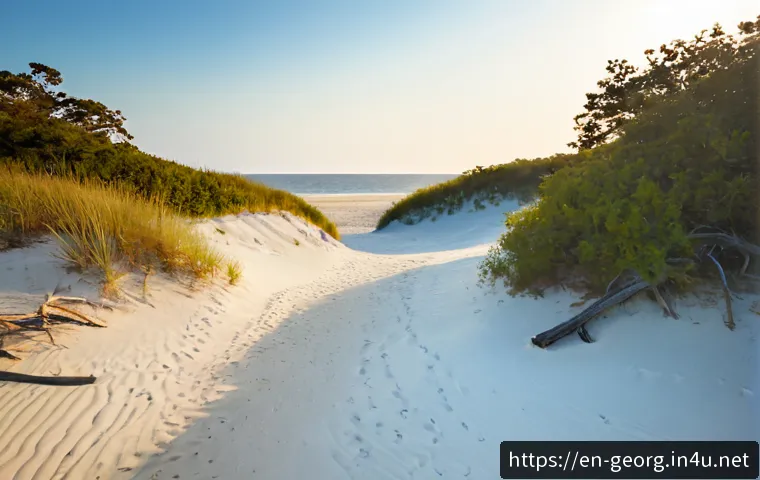
Choose Cumberland Island for a coastal trip that rewards advance planning, or Okefenokee country for wetlands, wildlife, and quieter scenery. Georgia, USA offers everything from basic tent camping to RV-ready sites, cabins, and more remote forest experiences.
The right choice depends less on finding one “best” campground and more on matching comfort, driving access, and gear needs to your trip. A low-cost tent site can work well for a short weekend, while an RV site, cabin, rental equipment, or guided outdoor activity may make a longer or less experienced trip easier.
Always verify current reservations, road access, fire conditions, and site rules before leaving.
At a Glance
- North Georgia is the leading choice for mountain scenery, hiking, waterfalls, and generally cooler seasonal conditions.
- Georgia State Parks and lakeside campgrounds are often the simplest option for families seeking established facilities and easier logistics.
- Cumberland Island and Okefenokee country suit travelers who want distinctive coastal or wetland nature and are prepared to plan carefully.
| Camping area | Best for | Likely setup | Booking and access | Trip-planning focus |
|---|---|---|---|---|
| North Georgia and Blue Ridge | Hiking, waterfalls, mountain views | Tents, some RV sites, forest or state park camping | Check seasonal road and campground conditions | Layers, rain protection, reliable vehicle access |
| Georgia State Parks and lakes | Families, beginners, relaxed weekends | Tent sites, RV sites, cabins | Compare site amenities before reserving | Hookups, restroom distance, water access |
| Cumberland Island and coastal areas | Coastal solitude and beach walks | Camping with limited-supply planning | Ferry travel and advance planning may apply | Transport timing, food, water, weather exposure |
| Okefenokee country | Wildlife viewing and wetland scenery | Nature-focused camping experiences | Confirm current local access and conditions | Insects, mud, heat, water, wildlife awareness |
The Best Georgia Camping Regions at a Glance
Georgia camping is not one experience. A mountain campsite, a lakeside RV stay, a coastal island trip, and a wetland-focused outing require very different planning. Start by choosing the landscape you want, then compare site comfort, vehicle access, supplies, and reservation requirements.
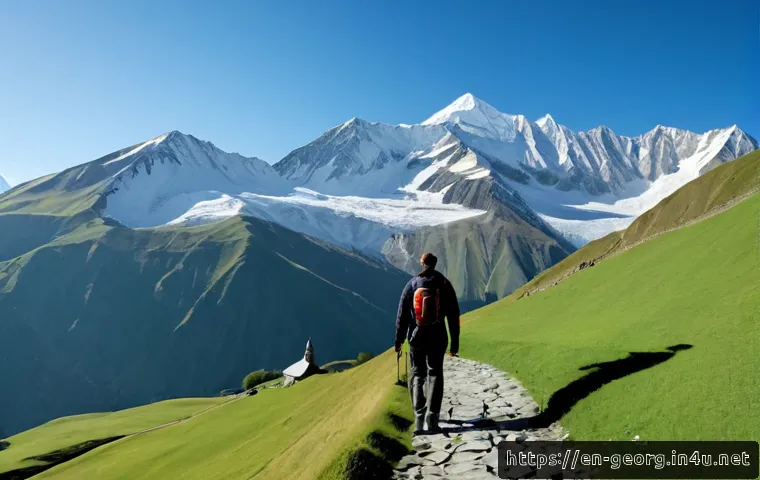
Best for Mountain Views: North Georgia and the Blue Ridge Area
North Georgia is a strong match for travelers who want mountain scenery, hiking access, waterfalls, and cooler conditions than much of the state during many seasons. It works especially well for couples, active travelers, and campers who want their campsite to be close to outdoor activities. Chattahoochee National Forest includes both dispersed and developed camping opportunities, but local rules and seasonal conditions matter.
Best for Easy Family Weekends: Georgia State Parks and Lakeside Campgrounds
Georgia State Parks operate campgrounds with varying amenities and site types for tents, RVs, cabins, and family trips. This is usually the more straightforward direction when you want established facilities rather than a remote setting. Lakeside areas can also fit a slower itinerary built around swimming, boating, or simply spending time outdoors, but check what is actually available at the individual campground.
Best for Coastal Adventure: Cumberland Island and Nearby Coastal Areas
Cumberland Island offers a very different kind of Georgia camping: coastal scenery, beach walks, and logistics that can include ferry travel. It is better for travelers willing to plan ahead and carry what they need, because supplies may be limited. Confirm transportation details, campsite requirements, and what you can bring before treating it like a casual drive-in campground.
Best for Wildlife and Quiet Scenery: Okefenokee Country
Okefenokee National Wildlife Refuge is known for wetland landscapes and wildlife viewing, not mountain-style camping. Choose this region when the goal is distinctive scenery, patient observation, and a quieter pace. Prepare for wet conditions, insects, heat, and changing access conditions rather than assuming a typical forest campground experience.
Compare Georgia Campsites by Comfort, Access, and Trip Cost
The most useful comparison is not “cheap versus expensive.” It is whether a campsite removes a problem you would otherwise need to solve yourself. A more developed campground may reduce the need to bring extra equipment, while a more remote site can require greater self-sufficiency.
Tent Sites, RV Sites, Cabins, and Backcountry-Style Camping
Tent sites can be enough for a simple overnight or weekend if you have a dependable tent, sleeping setup, cooler, and weather protection. RV sites may be more practical for groups, travelers who prefer additional comfort, or anyone who needs to confirm electric hookups and site dimensions. Cabins can reduce gear needs, while dispersed or backcountry-style camping demands more careful attention to local rules, water, road access, and food storage.
What Amenities Are Worth Paying More For
Pay closer attention to amenities that change your actual experience: electric hookups for an RV, nearby restrooms, water access, a level site, and vehicle-friendly access. These can be particularly valuable for first-time campers, families with children, or travelers with mobility considerations. Do not pay for a feature just because it sounds useful; match it to your group’s needs and the equipment you already own.
Reservation Timing, Park Fees, Equipment Rental, and Fuel-Budget Considerations
Reservation availability, fees, and cancellation terms vary by date and location, so check the official campground page before booking. Factor in more than the campsite itself: fuel, ferry travel where relevant, park-entry requirements, camping gear, food storage, and possible RV rental costs can affect the total trip budget. If you do not camp often, compare the effort of buying gear with checking rental tents, coolers, or an RV rental that fits the route.
North Georgia for Mountains, Waterfalls, and Hiking
North Georgia makes sense when hiking and scenery are the center of the trip, not just an activity between meals. It can be a rewarding region for beginners as well, provided the chosen campground has the access and amenities they need.
Who This Region Suits Best
This region suits hikers, couples, active families, and travelers looking for a break from warmer lowland conditions. It is also a good choice when you want multiple outdoor options near a campsite. If the group prefers flat access, close facilities, or minimal driving on unfamiliar roads, select the campground carefully rather than choosing solely by photos.
Forest Campgrounds Versus State Park Campgrounds
National forest camping can offer both developed sites and dispersed opportunities, subject to local rules and seasonal conditions. State park campgrounds may be easier for travelers who want clearer site categories and established amenities. The better option depends on whether you value simplicity and facilities or a more independent camping style.
Seasonal Weather, Road Access, and Packing Considerations
Bring layers and rain protection for mountain trips, and confirm current weather before departure. Check whether the route is suitable for your vehicle, especially if you are considering a more remote location. Fire restrictions, trail closures, water availability, and campground access can change, so a packing list should never replace current local information.
Lakes, Coast, and Wetlands: Match the Destination to Your Trip Style
When hiking is not the priority, Georgia’s lakes, coast, and wetlands offer three very different ways to camp. The best one is the destination that fits your preferred pace and the amount of planning you are willing to do.
Lakeside Camping for Swimming, Boating, and Family Downtime
Lakeside camping is often a practical family choice because the trip can balance outdoor activity with downtime at the campsite. Look beyond the word “lakeside” and verify water access, restroom location, vehicle parking, and the exact type of site. If boating is part of the plan, confirm local requirements and access arrangements before packing equipment.
Coastal Camping for Beach Walks and Ferry-Based Trips
Coastal camping can feel more remote even when the destination is popular. Cumberland Island may involve ferry travel, advance planning, and limited supplies, so build your itinerary around transport schedules and what you can carry. A durable tent, dependable cooler, water plan, and weather-ready clothing matter more here than last-minute convenience.
Wetland Camping for Wildlife Viewing and Low-Crowd Experiences
Wetland destinations appeal to campers who enjoy wildlife viewing and unusual landscapes. They also require realistic preparation for insects, mud, storms, and heat. Keep food secured, follow local wildlife guidance, and do not assume that a quiet location has the same services as a developed state park campground.
Booking and Safety Mistakes to Avoid Before You Leave
Most frustrating camping problems begin before the car is packed. A few specific checks can prevent arriving at a site that does not fit your vehicle, sleeping arrangement, or comfort expectations.
Check Vehicle Access, Hookups, Site Dimensions, and Quiet-Hour Rules
Confirm whether your vehicle can reach the site and whether the campsite is appropriate for a tent, trailer, or RV. For RV camping, verify site dimensions and electric hookups rather than assuming every campground can accommodate your rig. Review quiet-hour rules and any park-entry requirements so your group knows what to expect.
Plan for Insects, Heat, Storms, Mud, and Changing Fire Conditions
Pack for the region, not just the calendar. Insect protection can matter in wetlands and coastal areas, while mountain trips may call for warmer layers and rain gear. Check current weather, wildfire restrictions, flood conditions, and fire rules close to departure, because these details can change by season and site.
Confirm Food Storage, Water Sources, Pet Policies, and Cancellation Terms
Do not assume potable water, pet access, or food-storage expectations are the same at every campground. Read the site details and cancellation terms before completing a campground reservation. This is especially important for remote forest sites and island trips, where changing plans can be more complicated.
Selection Criteria and Comparison Summary
Choose North Georgia for hiking, waterfalls, and a cooler mountain escape. Choose Georgia State Parks or lakeside campgrounds when amenities, family logistics, tent sites, cabins, or RV camping options matter most. Choose coastal or wetland destinations for a more distinctive nature experience, but allow extra time for supplies, transport, and weather planning.
Before reserving, check these points: the site type; vehicle and RV suitability; hookups and restroom distance; water and food-storage arrangements; current restrictions; and cancellation rules. For a clearer decision, compare the official campground details alongside RV rental options, tent and cooler needs, and any outdoor coverage that fits your trip.
Final Thoughts
The best camping area in Georgia depends on how much comfort, driving, and planning your group wants. A developed campground can make a first trip feel manageable, while a forest, island, or wetland experience can be more memorable for travelers ready to prepare. Start with the landscape, then choose the campsite style that supports it. Confirm current conditions shortly before travel, not only when you make the reservation.
Useful Things to Know
1. This guide covers Georgia, USA, not the country of Georgia.
2. Campground rules, availability, access, and fire conditions can change by season.
3. A campground labeled “RV friendly” may still require you to verify hookup type and site dimensions.
4. Coastal island camping may require more logistics than a drive-in site.
5. Rental gear can be worth considering if you camp only occasionally.
Important Notes
Exact campsite prices, reservation availability, weather, closures, water conditions, pet rules, and cancellation terms are not fixed across Georgia. Check the official page for the specific park, forest area, refuge, or campground you plan to use. Your vehicle type, group size, experience level, mobility needs, and equipment should guide the final choice.
Frequently Asked Questions
Q1. What is the best area for camping in Georgia for first-time campers?
A1. Georgia State Parks and established lakeside campgrounds are often the easiest starting point because they offer varying amenities and site types. Choose a developed tent site or cabin option, confirm restroom and water access, and avoid assuming that a remote location will provide the same level of convenience.
Q2. Are Georgia State Park campgrounds better for families than national forest campsites?
A2. They can be a better fit for families who prioritize established facilities, clearer site options, and simpler logistics. National forest campgrounds can be appealing for a more independent experience, but conditions, local rules, and access may require more planning.
Q3. How much should I budget for a weekend camping trip in Georgia?
A3. Your budget depends on the campsite or cabin type, fuel, food, park-entry requirements, ferry travel for coastal trips, equipment needs, and whether you use an RV rental or rental gear. Check current reservation fees and travel costs for your chosen destination, then add a margin for supplies and changing conditions.