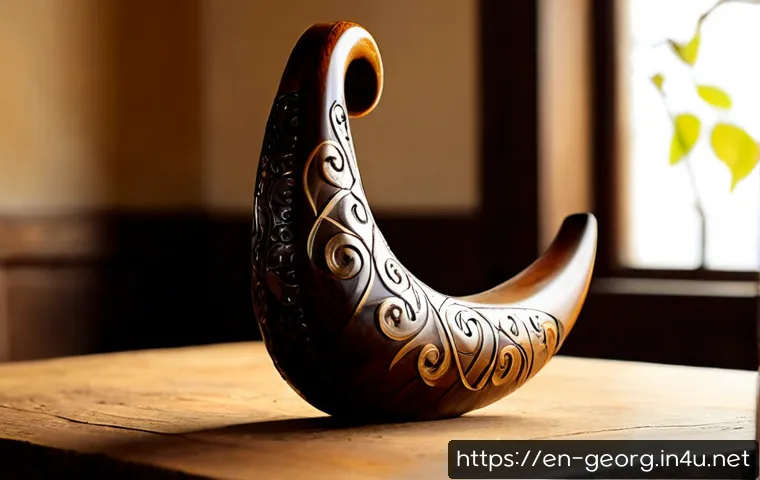
A Georgian carved wooden item is worth paying more for when the carving is careful, the material and finish suit its intended use, and the seller can clearly explain its origin and maker.
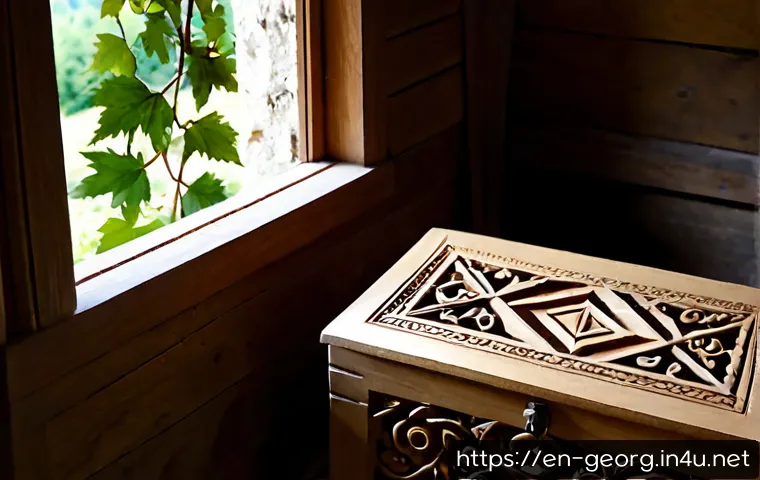
For most buyers, the best value is not the most elaborate-looking piece, but the one whose workmanship, condition, and provenance match the reason for buying it.
Handmade home décor can make a more personal gift, while simple workshop-made items may be a better choice for travel, daily use, or a limited budget.
Inspecting the piece in person is helpful, especially for grain, cracks, joins, and finish quality. If shopping online, clear photographs and direct seller answers matter more than broad “traditional” claims.
Ask whether the item is fully handmade, partly machine-made, modern, or represented as older work. Shipping, packaging, and customs questions should be settled before you order.
At a Glance
- Pay more for handmade work when carving quality, uniqueness, and clear maker information matter to you.
- Check condition before style: grain, cracks, joins, sharp edges, and finish can affect long-term value.
- Confirm the details directly with the seller, including origin, wood type, production method, shipping, and return terms.
| Buying Decision | What to Look For | Best Fit |
|---|---|---|
| Handmade vs. mass-produced | Tool marks, small variations, maker details, and individual carving character | Collectors, meaningful gifts, and distinctive home décor |
| Decorative vs. functional | Finish quality, durability, food-use information, and ease of cleaning | Display pieces versus kitchen or serving use |
| Local pickup vs. shipped purchase | Ability to inspect, protective packaging, insured shipping, customs, and returns | In-person browsing versus international ordering |
What Makes a Georgian Wooden Craft Item Worth Buying?
The quick answer: craftsmanship, material, function, and seller transparency
A good carved wooden souvenir should offer more than a label. Its value usually comes from careful craftsmanship, suitable material, intended function, and transparent seller information. A small hand-carved box, frame, utensil, wall piece, or decorative object can be a strong purchase when the work looks deliberate and the seller can explain what it is.
Because regional origin, wood species, age, and production method may vary, avoid assuming that every item described as Georgian is made in the same way. Ask where the item was made, whether it is fully handmade or partly machine-made, and whether the seller knows the maker or workshop.
Decorative souvenir versus lasting household or display piece
A decorative souvenir can be worth buying simply because it is portable, attractive, and connected to a trip or gift occasion. A higher-priced display piece should offer something more: stronger carving detail, better overall construction, a more considered finish, or clear provenance.
For household use, appearance is only one part of the decision. Check whether edges feel comfortable, whether a lid or moving part works smoothly, and whether the finish seems appropriate for the item’s intended role. Do not treat a carved object as food-safe or durable for everyday use unless the seller provides specific information.
Compare Handmade Carving, Workshop Pieces, and Mass-Produced Souvenirs
Signs of hand-tool work and natural variation
Handmade carving often shows small, non-identical details. Lines may vary slightly in depth, repeated motifs may not be perfectly uniform, and the shape can reflect the individual piece of wood. These features do not automatically prove authenticity, but they can support a handmade claim when combined with clear maker information.
Look closely at recessed areas, borders, corners, and the back of the item. These less-visible areas may reveal how carefully the work was completed. A seller who can discuss the carving process, material, or workshop is generally giving you more useful information than one relying only on a broad souvenir description.
What consistent patterns, identical shapes, and surface finishing can indicate
Very consistent shapes and repeated patterns can indicate workshop production, machine assistance, or mass production. That is not necessarily a problem. A well-finished workshop piece may still be an appealing gift or practical décor purchase. The key is whether the description matches the object and whether the asking price reflects what is being offered.
Be cautious if an item is presented as handmade or antique but the seller cannot provide any supporting details. “Traditional,” “vintage,” and “artisan-made” are descriptions to verify, not guarantees of age or origin.
Comparison of craftsmanship, price drivers, durability, and gift suitability
| Type of Item | Main Value Driver | Condition Priority | Gift Suitability |
|---|---|---|---|
| Hand-carved individual piece | Detail, uniqueness, maker story, and provenance | High: inspect carving, joins, and finish closely | Best for a personal or collector-oriented gift |
| Workshop-made craft item | Design, consistency, practical construction, and finish | Check function and surface quality | Useful for accessible gifts and home décor |
| Mass-produced souvenir | Portability, visual appeal, and convenience | Check for damage and weak finishing | Suitable for casual travel gifts |
Materials, Finish, and Condition Checks Before You Pay
Inspecting grain, joins, cracks, warping, and sharp edges
Wood naturally has grain, color variation, and texture. Those traits can add character, but inspect for issues that may affect use or display. Look for open cracks, loose joins, visible warping, splintering, or rough sharp edges. Test lids, hinges, handles, or fitted sections gently if the seller permits it.
A crack is not always a reason to reject a decorative piece, but it should be understood before purchase. Ask whether it is a natural feature, a repaired area, or a condition issue that could worsen during transport. For a functional item, construction and finish deserve extra attention.
Questions to ask about wood type, stain, varnish, and food-safe finishes
Ask the seller what they know about the wood type and finish. This is especially important for bowls, boards, spoons, serving pieces, or any item intended to touch food. A finish that looks glossy may be suitable for display, but that alone does not confirm food safety.
Useful questions include: Is this intended for decorative or food use? What finish or coating was applied? Are there care instructions? Has the surface been stained, varnished, or treated? If the seller cannot confirm practical-use details, consider the item decorative rather than kitchen-ready.
Why moisture and luggage handling matter for carved wood
Carved wood can be vulnerable to moisture, pressure, and sudden changes during travel. Before placing an item in luggage, consider its shape, thin carved sections, moving parts, and finish. Ask for protective wrapping when buying locally, and inspect the item before leaving the shop.
For shipped purchases, ask how the piece will be packed and whether shipping includes tracking, insurance, or a process for reporting transit damage. These details can matter as much as the original artisan souvenir pricing.
Choosing the Right Piece for Gifts, Home Décor, or Everyday Use
Small gifts and travel-friendly items
Small carved pieces can be practical choices for travelers and gift buyers. Prioritize compact size, solid construction, and low risk of breakage. A simpler item with a clean finish may be more useful than an intricate piece that is difficult to carry safely.

Before buying several items as gifts, compare them individually. Even pieces from the same display may differ in carving depth, finish, or condition.
Wall décor, boxes, frames, and display pieces
For home décor, choose based on where the item will be displayed. Check the back, hanging hardware if present, weight, and how the wood tone works with your space. A carved box or frame should also be checked for alignment and smooth operation.
If provenance matters, request any available maker details before ordering. A clear description of workshop, region, materials, and production method can add confidence without requiring unsupported claims about age or rarity.
Kitchen and serving items: practical-use cautions
Kitchenware should be chosen more cautiously than decorative carving. Ask directly whether the piece is intended for food contact and how it should be cleaned and maintained. Do not rely on appearance alone, and do not assume that a traditional-looking object is automatically suitable for daily food preparation.
If the information is incomplete, a carved serving item may still be enjoyed as display décor rather than used for food.
Buying Locally or Ordering From Abroad: Cost and Delivery Considerations
When local inspection is more valuable than online convenience
Buying locally lets you inspect grain, finish, carving depth, and condition firsthand. It also makes it easier to compare several pieces and ask questions while the item is in front of you. This can be especially valuable for a premium handmade home décor purchase.
Online ordering offers convenience and access to more sellers, but photographs may not show scale, texture, hidden repairs, or finish quality. Request additional images of the front, back, edges, and any functional parts before paying.
Packaging, insured shipping, customs, and return-policy questions
Before ordering from abroad, ask about protective packaging, delivery method, insured shipping, customs paperwork, possible duties, and return terms. Current shipping costs and import requirements can change, so verify them with the seller and relevant authorities before making a final decision.
For a fragile or high-value carved item, keep written confirmation of the product description and shipping conditions. This helps you compare offers fairly and understand what support is available if the item arrives damaged.
Avoiding vague “traditional” or “antique” claims without documentation
Words such as “traditional” and “antique” can be meaningful, but they should be supported by details. Ask what the claim refers to: a carving style, a modern workshop practice, an older object, or a regional association. If documentation or a clear seller explanation is unavailable, evaluate the item as a contemporary decorative or functional piece.
Selection Criteria and Comparison Summary
Choose handmade when unique carving, visible individual character, maker information, and provenance are central to your purchase. Choose a simpler workshop or souvenir item when portability, budget, everyday practicality, or easy gifting matters more than one-of-a-kind detail.
Before paying, check the carving and finish, inspect for cracks or loose parts, confirm whether the item is decorative or functional, ask what is known about origin and materials, and review shipping and return conditions. For kitchen items, ask specifically about intended food use and care. For premium purchases, ask the seller for additional photographs and maker details before ordering.
For current product specifications, delivery conditions, and seller policies, review the relevant listing or official seller information before completing your purchase.
In Closing
A Georgian wooden craft item can be a thoughtful souvenir, a useful household object, or a distinctive display piece. The strongest purchase is one that matches your purpose and comes with information you can verify. Focus on construction, condition, finish, and seller transparency rather than relying only on decorative claims. When details are unclear, treat the item as a modern souvenir until the seller can provide more context.
Useful Information to Keep in Mind
Inspect small carved areas as carefully as the front design. Ask whether the finish is decorative or intended for practical use. Photograph the item before travel or shipment if condition is important. Keep seller messages that describe the material, origin, and delivery terms. Compare similar pieces based on workmanship and information provided, not only on appearance.
Important Notes
Individual items may differ in wood species, age, production method, regional origin, and intended use. Current pricing, shipping costs, customs duties, export requirements, and return policies must be confirmed directly with the seller and relevant authorities. A handmade, antique, food-safe, or region-specific claim should not be assumed without clear supporting information.
Frequently Asked Questions
Q1. How can I tell whether a Georgian wooden souvenir is genuinely handmade?
A1. Look for small variations in carving, natural differences in the wood, and evidence of individual finishing. Then ask the seller whether the item is fully handmade, partly machine-made, or workshop-produced, and request maker or regional details where available.
Q2. Are carved wooden kitchen items safe to use for food?
A2. Do not assume so from appearance alone. Ask whether the item is intended for food contact, what finish was used, and how it should be cleaned and maintained. If those details are unavailable, consider using it as décor instead.
Q3. What should I ask before paying more for an artisan-made wooden item from Georgia?
A3. Ask about the maker or workshop, regional origin, wood type, production method, finish, condition, and whether the item is decorative or functional. If ordering from abroad, also confirm packaging, insured shipping, customs considerations, and return options.